﻿<?xml version="1.0" encoding="utf-8"?>
<?xml-stylesheet type='text/xsl' href='/ui/templates/normal/view.xsl'?>
<html RelativePath="/" class="123007" site="123007">
	<head>
		<title>《中国西部》2018年第6期（总第359期）目录 _四川省社会科学院 天府智库-学术期刊-《中国西部》</title>
		<meta id="51249" name="description" content="《中国西部》2018年第6期（总第359期）目录 " />
	</head>
	<body>
		<span>
			<a href="../123007/default.aspx">《中国西部》</a>
			<a href="../123/default.aspx">学术期刊</a>
		</span>
		<div>
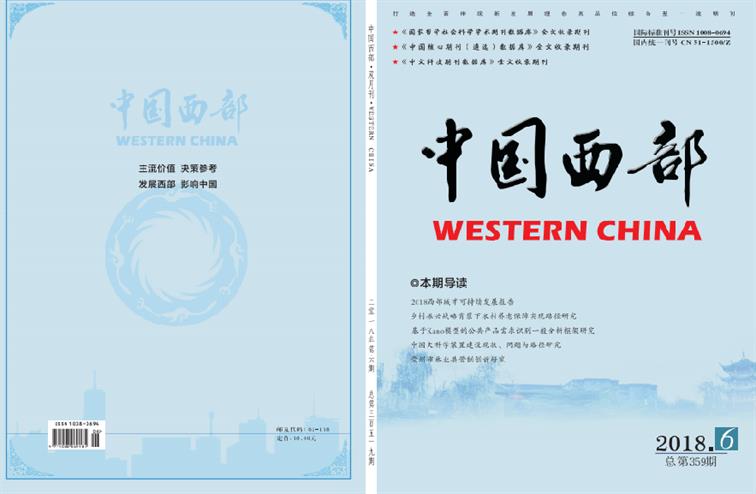
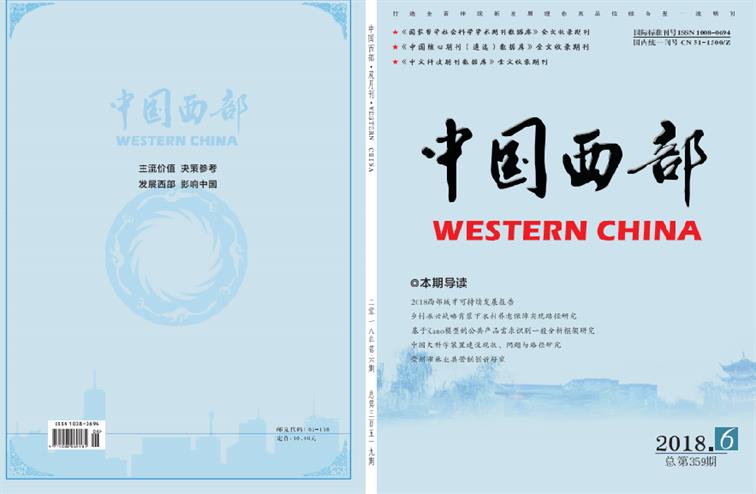
			<h1>《中国西部》2018年第6期（总第359期）目录</h1>
			<h2 />
			<h3>肖华堂</h3>
			<h4>2018年12月05日 00:00</h4>
			<h5 />
			<a href="" />
			<img src="/upload/images/2019/2/21/c67e9e7e-983c-403e-b433-07a36aaa3872.png" />
			<p><![CDATA[<form><p style="line-height: 150%; text-align: center;"><strong><span style="font-family: 华文隶书;line-height: 150%;font-size: 19px"><span style="font-family:华文隶书"><img src="/upload/images/2019/2/21/e948131d-d2ae-4833-974b-e86b5855b60e.png" title="图片1 封面.png" alt="图片1 封面.png" width="507" height="249"/></span></span></strong></p><p style="text-autospace:ideograph-numeric;line-height:150%"><strong><span style="font-family: 华文隶书;line-height: 150%;font-size: 19px"><span style="font-family:华文隶书">区域经济</span></span></strong></p><p style="text-autospace:ideograph-numeric;line-height:150%"><span style=";font-family:宋体;line-height:150%;font-size:16px">1 2018</span><span style=";font-family:宋体;line-height:150%;font-size:16px"><span style="font-family:宋体">西部城市可持续发展报告</span>——市村图景里的城市</span></p><p style="text-autospace:ideograph-numeric;line-height:150%"><span style=";font-family:宋体;line-height:150%;font-size:16px">〔摘要〕为回应全社会对城市和乡村作为一个整体实现可持续发展的美好期望，</span><span style=";font-family:宋体;line-height:150%;font-size:16px">2018</span><span style=";font-family:宋体;line-height:150%;font-size:16px"><span style="font-family:宋体">年西部城市可持续发展报告以</span>“市村图景里的城市”作为主题，从全新视角梳理、观察并思考城市可持续发展在中国的一般性和特殊性，阐释人们如何在共建家园上倾注全力，关注人的发展和成果分享如何演变成了差别化和结构化，倡议构建城乡价值共同体以实现城市可持续发展，描绘具有普遍意义的市村图景。本文还从摆脱贫困、保障卫生健康、促进就业、发展农业农村信息化等方面全面总结四川城乡社会发展取得的成就，指出现阶段四川城市可持续发展面临的现实问题，就新时代四川城市发展面临的风险和挑战</span><span style=";font-family:宋体;line-height:150%;font-size:16px">，以及未来四川城市可持续发展进行全景式展望，以期为同类地区城市更好实现可持</span><span style=";font-family:宋体;line-height:150%;font-size:16px">续发展提供借鉴。</span></p><p style="text-autospace:ideograph-numeric;line-height:150%"><span style=";font-family:宋体;line-height:150%;font-size:16px">〔关键词〕</span><span style=";font-family:宋体;line-height:150%;font-size:16px"><span style="font-family:宋体">西部城市</span> <span style="font-family:宋体">可持续发展指数</span> <span style="font-family:宋体">美丽城乡</span></span></p><p style="text-autospace:ideograph-numeric;line-height:150%"><span style=";font-family:宋体;line-height:150%;font-size:16px"><span style="font-family:宋体">〔作者〕</span>2018西部城市可持续发展课题组（课题组成员为：张鸣鸣、冉 &nbsp;敏、王 &nbsp;倩、丁延武、高 &nbsp;杰、吴振明、刘 &nbsp;伟、王 &nbsp;芳、曾旭晖）。</span></p><p style="text-autospace:ideograph-numeric;line-height:150%"><span style=";font-family:宋体;line-height:150%;font-size:16px">&nbsp;</span><span style="font-family: 宋体;">14 田园综合体建设对策研究——以成都市为例</span></p><p style="text-autospace:ideograph-numeric;line-height:150%"><span style=";font-family:宋体;line-height:150%;font-size:16px">〔摘要〕田园综合体是新历史时期城乡融合的高级形态，尤其在城市近郊发展起来的田园综合体实质上是在城镇化进程的大背景下推进城乡统筹，进而在乡村大地上进行产业结构调整、土地制度改革、社会治理结构改革、新型乡村社区建设、乡村生态文明和社会文明建设等一系列综合要素变革而形成的新型乡村发展模式。本文以成都市近郊田园综合体为研究对象，主要从农村土地制度改革、集体经济组织发展、市场参与主体多元化和产业结构调整四个方面，分析并探讨其建设现状和问题，并提出政策建议。</span></p><p style="text-autospace:ideograph-numeric;line-height:150%"><span style=";font-family:宋体;line-height:150%;font-size:16px"><span style="font-family:宋体">〔关键词〕田园综合体</span> <span style="font-family:宋体">城乡融合</span> <span style="font-family:宋体">成都市</span></span></p><p style="text-autospace:ideograph-numeric;line-height:150%"><span style=";font-family:宋体;line-height:150%;font-size:16px">〔作者〕王瑗</span><span style=";font-family:宋体;line-height:150%;font-size:16px">&nbsp;<span style="font-family:宋体">助理研究员</span> <span style="font-family:宋体">四川省社会科学院区域经济与城市发展研究所</span> <span style="font-family:宋体">成都</span> 610072 </span></p><p style="text-autospace:ideograph-numeric;line-height:150%"><span style=";font-family:宋体;line-height:150%;font-size:16px">&nbsp;</span><span style="font-family: 宋体; line-height: 150%;">25 </span><span style="font-family: 宋体; line-height: 150%;">乡村振兴战略背景下农村养老保障实现路径研究</span></p><p style="text-autospace:ideograph-numeric;line-height:150%"><span style=";font-family:宋体;line-height:150%;font-size:16px">〔摘要〕传统意义上认为，老年保障主要包括经济保障、精神慰藉和生活照料三个方面。中国农村养老保险在经历了四个阶段的发展后，已经相对稳定，但随着农村老年群体数量的增长，他们面临的风险会加重，对精神慰藉以及生活照料的需求将持续增长。城市化进程加速了年轻家庭成员的流动，一方面增加了对老年群体的经济供给，但另一方面也减少了对老年人群体的精神慰藉和生活照料的供给。因此，在农村地区强化家庭的非经济保障功能，确保土地的价值功能，重视教道文化的培养与传承，实现村民互助，将是未来养老保障</span><span style=";font-family:宋体;line-height:150%;font-size:16px">实现的重要途径。</span></p><p style="text-autospace:ideograph-numeric;line-height:150%"><span style=";font-family:宋体;line-height:150%;font-size:16px">〔关键词〕</span><span style=";font-family:宋体;line-height:150%;font-size:16px"><span style="font-family:宋体">风险变迁</span> <span style="font-family:宋体">家庭保障</span> <span style="font-family:宋体">村民互动</span> <span style="font-family:宋体">路径选择</span></span></p><p style="text-autospace:ideograph-numeric;line-height:150%"><span style=";font-family:宋体;line-height:150%;font-size:16px"><span style="font-family:宋体">〔作者〕朱国龙</span> <span style="font-family:宋体">讲师</span> <span style="font-family:宋体">成都信息工程大学管理学院</span> <span style="font-family:宋体">成都</span> 610103</span></p><p style="text-indent:64px;text-autospace:ideograph-numeric;line-height:150%"><span style=";font-family:宋体;line-height:150%;font-size:16px"><span style="font-family:宋体">金淑彬</span> <span style="font-family:宋体">教授</span> <span style="font-family:宋体">成都信息工程大学管理学院</span> <span style="font-family:宋体">成都</span> 610103</span></p><p style="text-autospace:ideograph-numeric;line-height:150%"><span style=";font-family:宋体;line-height:150%;font-size:16px"><span style="font-family:宋体">〔基金项目〕国家社会科学基金项目</span>“西部农村老年妇女养老现状与养老保障体系构建研究”（15BRK005）。</span></p><p style="text-autospace:ideograph-numeric;line-height:150%"><span style=";font-family:宋体;line-height:150%;font-size:16px"><br/></span></p><p style="text-autospace:ideograph-numeric;line-height:150%"><span style=";font-family:宋体;line-height:150%;font-size:16px">&nbsp;</span><strong><span style="font-family: 华文隶书;line-height: 150%;font-size: 19px">理论动态</span></strong></p><p style="text-autospace:ideograph-numeric;line-height:150%"><span style=";font-family:宋体;line-height:150%;font-size:16px">34 “5·12”</span><span style=";font-family:宋体;line-height:150%;font-size:16px">汶川地震灾后恢复重建文献回顾与研究重点展望</span></p><p style="text-autospace:ideograph-numeric;line-height:150%"><span style=";font-family:宋体;line-height:150%;font-size:16px"><span style="font-family:宋体">〔摘要〕</span>“5·12”汶川特大地震已过去十年，社会已逐渐忘却这场巨灾及其损失，只偶尔会唤起灾难发生那一刻的惨痛记忆。学术研究同样如此，对重大灾害事件的学术研究随时间流逝而衰减直到成为学术记忆。尽管本文曾经主持并参与过多项汶川地震灾区相关学术研究，也随着时间流逝而逐渐忘却这场灾难及其巨大影响。在“5·12”汶川地震10年之际，本文依据知网（CNKI）数据库和国家社科基金项目数据库，对2016年、2017年和2018年（5月前）的文献资料作进行梳理与回顾，并对2018年后重建灾区未来研究热点和重点方向进行展望。</span></p><p style="text-autospace:ideograph-numeric;line-height:150%"><span style=";font-family:宋体;line-height:150%;font-size:16px"><span style="font-family:宋体">〔关键词〕汶川地震</span> <span style="font-family:宋体">灾后恢复重建</span> <span style="font-family:宋体">文献回顾</span></span></p><p style="text-autospace:ideograph-numeric;line-height:150%"><span style=";font-family:宋体;line-height:150%;font-size:16px"><span style="font-family:宋体">〔作者〕沈茂英</span> <span style="font-family:宋体">研究员</span> <span style="font-family:宋体">四川省社会科学院经济研究所</span> <span style="font-family:宋体">成都</span> 610072 </span></p><p style="text-autospace:ideograph-numeric;line-height:150%"><span style=";font-family:宋体;line-height:150%;font-size:16px">&nbsp;</span><span style="font-family: 宋体; line-height: 150%;">43 </span><span style="font-family: 宋体; line-height: 150%;">基于</span><span style="font-family: 宋体; line-height: 150%;">Kano</span><span style="font-family: 宋体; line-height: 150%;">模型的公共产品需求识别一般分析框架研究</span></p><p style="text-autospace:ideograph-numeric;line-height:150%"><span style=";font-family:宋体;line-height:150%;font-size:16px"><span style="font-family:宋体">〔摘要〕在</span>“需求偏好显示困境”下，如何衡量社会成员的公共产品需求一直是公共经济学的热点领域。本文在吸收和借鉴已有研究成果的基础上，将Kano模型引入公共产品需求识别研究中，构建了一个基于Kano模型的公共产品需求识别一般分析框架，着重从静态和动态两个层面对公共产品需求识别的方法进行系统分析，对地方有效把握公共产品需求的内容、类型及优先序，优化公共产品供给决策有一定借鉴意义。</span></p><p style="text-autospace:ideograph-numeric;line-height:150%"><span style=";font-family:宋体;line-height:150%;font-size:16px"><span style="font-family:宋体">〔关键词〕</span>Kano模型 公共产品 公共需求 分析框架</span></p><p style="text-autospace:ideograph-numeric;line-height:150%"><span style=";font-family:宋体;line-height:150%;font-size:16px"><span style="font-family:宋体">〔作者〕孙继琼</span> <span style="font-family:宋体">副教授</span> <span style="font-family:宋体">中共四川省委党校</span> <span style="font-family:宋体">成都</span> 610072 </span></p><p style="text-autospace:ideograph-numeric;line-height:150%"><span style=";font-family:宋体;line-height:150%;font-size:16px"><span style="font-family:宋体">〔基金项目〕</span>2018年度成都市哲学社会科学规划项目“供需视角下成都农村公共文化供给现状评估”（2018R21）。</span></p><p style="text-autospace:ideograph-numeric;line-height:150%"><span style=";font-family:宋体;line-height:150%;font-size:16px">&nbsp;</span></p><p style="text-autospace:ideograph-numeric;line-height:150%"><strong><span style="font-family: 华文隶书;line-height: 150%;font-size: 19px"><span style="font-family:华文隶书">创新改革</span></span></strong></p><p style="text-autospace:ideograph-numeric;line-height:150%"><span style=";font-family:宋体;line-height:150%;font-size:16px">51 </span><span style=";font-family:宋体;line-height:150%;font-size:16px">中国大科学装置建设现状、问题与路径研究</span></p><p style="text-autospace:ideograph-numeric;line-height:150%"><span style=";font-family:宋体;line-height:150%;font-size:16px"><span style="font-family:宋体">〔摘要〕随着世界经济与科技全球化、国家竞争复杂化趋势加深，科技创新能力逐渐成为国家综合国力和竞争力的集中体现。如何根据国家战略和前沿发展需求，充分发挥大科学装置在国家创新体系中的支撑作用，提升自主创新能力成为亟待解决的重要问题。本文在梳理国际国内大科学装置发展现状的基础上，分析大科学装置的新态势以及中国大科学装置建设的瓶颈，提出完善管理机制、提高成果产出、推动合理布局、深化机制改革等政策建议。</span></span></p><p style="text-autospace:ideograph-numeric;line-height:150%"><span style=";font-family:宋体;line-height:150%;font-size:16px"><span style="font-family:宋体">〔关键词〕大科学装置</span> <span style="font-family:宋体">科技创新</span> <span style="font-family:宋体">原始创新</span></span></p><p style="text-autospace:ideograph-numeric;line-height:150%"><span style=";font-family:宋体;line-height:150%;font-size:16px"><span style="font-family:宋体">〔作者〕韩文艳</span> <span style="font-family:宋体">研究实习员</span> <span style="font-family:宋体">中国科学院成都文献情报中心</span> <span style="font-family:宋体">成都</span> 610041</span></p><p style="text-indent:64px;text-autospace:ideograph-numeric;line-height:150%"><span style=";font-family:宋体;line-height:150%;font-size:16px"><span style="font-family:宋体">熊永兰</span> <span style="font-family:宋体">副研究员</span> <span style="font-family:宋体">中国科学院成都文献情报中心</span> <span style="font-family:宋体">成都</span> 610041</span></p><p style="text-indent:64px;text-autospace:ideograph-numeric;line-height:150%"><span style=";font-family:宋体;line-height:150%;font-size:16px"><span style="font-family:宋体">张志强</span> <span style="font-family:宋体">研究员</span> <span style="font-family:宋体">中国科学院成都文献情报中心</span> <span style="font-family:宋体">成都</span> 610041</span><span style="font-family: 宋体;">&nbsp;</span></p><p style="text-autospace:ideograph-numeric;line-height:150%"><span style=";font-family:宋体;line-height:150%;font-size:16px">61 </span><span style=";font-family:宋体;line-height:150%;font-size:16px">崇州市林业共营制创新研究</span></p><p style="text-autospace:ideograph-numeric;line-height:150%"><span style=";font-family:宋体;line-height:150%;font-size:16px"><span style="font-family:宋体">〔摘要〕现代林业发展对林业经营体系改革提出了新的要求，加之大量农村人口向城市流动、林地资源分散、林业经营效率低等现实困境，进一步促使集体林权制度改革深入推进。本文全面总结了崇州市发展林业共营制的创新实践，并对崇州市发展林业共营制所形成的政策体系进行研究，提出了完善林业共营制的政策建议，以期对我国地方林业经营体制改革提供一定的借鉴指导。</span></span></p><p style="text-autospace:ideograph-numeric;line-height:150%"><span style=";font-family:宋体;line-height:150%;font-size:16px"><span style="font-family:宋体">〔关键词〕崇州市</span> <span style="font-family:宋体">林业共营制</span> <span style="font-family:宋体">创新</span></span></p><p style="text-autospace:ideograph-numeric;line-height:150%"><span style=";font-family:宋体;line-height:150%;font-size:16px"><span style="font-family:宋体">〔作者〕周小娟</span> <span style="font-family:宋体">助理研究员</span> <span style="font-family:宋体">四川省社会科学院农村发展研究所</span> <span style="font-family:宋体">成都</span> 610072</span></p><p style="text-indent:64px;text-autospace:ideograph-numeric;line-height:150%"><span style=";font-family:宋体;line-height:150%;font-size:16px"><span style="font-family:宋体">罗加勇</span> <span style="font-family:宋体">崇州市农村发展局</span> <span style="font-family:宋体">崇州</span> 611230</span></p><p style="text-indent:64px;text-autospace:ideograph-numeric;line-height:150%"><span style=";font-family:宋体;line-height:150%;font-size:16px"><span style="font-family:宋体">张格华</span> <span style="font-family:宋体">崇州市农村发展局</span> <span style="font-family:宋体">崇州</span> 611230</span></p><p style="text-indent:64px;text-autospace:ideograph-numeric;line-height:150%"><span style=";font-family:宋体;line-height:150%;font-size:16px"><span style="font-family:宋体">胡</span> &nbsp;<span style="font-family:宋体">浩</span> <span style="font-family:宋体">崇州市农村发展局</span> <span style="font-family:宋体">崇州</span> 611230</span></p><p style="text-indent:64px;text-autospace:ideograph-numeric;line-height:150%"><span style=";font-family:宋体;line-height:150%;font-size:16px">&nbsp;</span></p><p style="text-autospace:ideograph-numeric;line-height:150%"><strong><span style="font-family: 华文隶书;line-height: 150%;font-size: 19px"><span style="font-family:华文隶书">西部经纬</span></span></strong></p><p style="text-autospace:ideograph-numeric;line-height:150%"><span style=";font-family:宋体;line-height:150%;font-size:16px">71 </span><span style=";font-family:宋体;line-height:150%;font-size:16px"><span style="font-family:宋体">西部民族地区易地扶贫搬迁的主要问题及对策研究</span>——基于甘肃省临夏州、甘南州的调查</span></p><p style="text-autospace:ideograph-numeric;line-height:150%"><span style=";font-family:宋体;line-height:150%;font-size:16px"><span style="font-family:宋体">〔摘要〕易地扶贫搬迁是落实精准扶贫精准脱贫基本方略的重要途径，对实现现行标准下农村贫困人口的脱贫目标具有重要意义。本文以甘肃省临夏州和甘南州两地为例，就</span>“十三五”时期以来易地扶贫搬迁的进展情况、主要做法与成效，以及存在的主要问题进行了分析，并对今后如何进一步推进和完善易地扶贫搬迁工作提出了相应的对策建议。</span></p><p style="text-autospace:ideograph-numeric;line-height:150%"><span style=";font-family:宋体;line-height:150%;font-size:16px"><span style="font-family:宋体">〔关键词〕易地扶贫搬迁</span> <span style="font-family:宋体">精准脱贫</span> <span style="font-family:宋体">临夏州</span> <span style="font-family:宋体">甘南州</span></span></p><p style="text-autospace:ideograph-numeric;line-height:150%"><span style=";font-family:宋体;line-height:150%;font-size:16px"><span style="font-family:宋体">〔作者〕董运来</span> <span style="font-family:宋体">副教授</span> <span style="font-family:宋体">沈阳师范大学国际商学院</span> <span style="font-family:宋体">沈阳</span> 110034</span></p><p style="text-indent:64px;text-autospace:ideograph-numeric;line-height:150%"><span style=";font-family:宋体;line-height:150%;font-size:16px"><span style="font-family:宋体">王艳华</span> <span style="font-family:宋体">研究员</span> <span style="font-family:宋体">中国国际工程咨询公司农村经济与地区发展部</span> <span style="font-family:宋体">北京</span> 100048</span></p><p style="text-autospace:ideograph-numeric;line-height:150%"><span style=";font-family:宋体;line-height:150%;font-size:16px"><span style="font-family:宋体">〔基金项目〕教育部全国民族教育科研重大课题</span>“教育信息化推进民族地区教育现代化的内容与途径研究”(ZXZD18007)；辽宁省社科基金项目“金砖国家粮食安全问题研究”(L14BJY037)。</span><span style="font-family: 宋体;">&nbsp;</span></p><p style="text-autospace:ideograph-numeric;line-height:150%"><span style=";font-family:宋体;line-height:150%;font-size:16px">80 </span><span style=";font-family:宋体;line-height:150%;font-size:16px">全域旅游视角下黔东南－桂北旅游带建设路径研究</span></p><p style="text-autospace:ideograph-numeric;line-height:150%"><span style=";font-family:宋体;line-height:150%;font-size:16px"><span style="font-family:宋体">〔摘要〕黔东南和桂北地区地理位置毗邻，交通互通便捷，文化传统相通，自古就有合作的传统，两地通过区域旅游合作建设黔东南</span>-桂北旅游带，具有良好的基础和条件。本文对黔东南-桂北旅游带建设的可行性进行了分析，全面总结黔东南-桂北旅游带建设面临的主要挑战，提出建设“黔东南-桂北国际知名旅游目的地”的目标，以及建立黔东南-桂北旅游合作机制，共同打造山地休闲旅游产品，构建区域旅游统一市场，建设全国旅游文化示范区等思路。</span></p><p style="text-autospace:ideograph-numeric;line-height:150%"><span style=";font-family:宋体;line-height:150%;font-size:16px"><span style="font-family:宋体">〔关键词〕黔东南</span> <span style="font-family:宋体">桂北</span> <span style="font-family:宋体">合作</span> <span style="font-family:宋体">旅游</span></span></p><p style="text-autospace:ideograph-numeric;line-height:150%"><span style=";font-family:宋体;line-height:150%;font-size:16px"><span style="font-family:宋体">〔作者〕叶有根</span> <span style="font-family:宋体">副教授</span> <span style="font-family:宋体">中共黔东南州委党校</span> <span style="font-family:宋体">凯里</span> 556000</span></p><p style="text-autospace:ideograph-numeric;line-height:150%"><span style=";font-family:宋体;line-height:150%;font-size:16px">&nbsp;&nbsp;&nbsp;&nbsp;&nbsp;&nbsp;&nbsp;&nbsp;<span style="font-family:宋体">陈敦芝</span> <span style="font-family:宋体">中教二级教师</span> <span style="font-family:宋体">贵州省凯里市第四中学</span> <span style="font-family:宋体">凯里</span> 556000</span><span style="font-family: 宋体;">&nbsp;</span></p><p style="text-autospace:ideograph-numeric;line-height:150%"><span style=";font-family:宋体;line-height:150%;font-size:16px">88 </span><span style=";font-family:宋体;line-height:150%;font-size:16px"><span style="font-family:宋体">西部地区对外贸易与环境污染关系研究</span>——基于</span><span style=";font-family:宋体;line-height:150%;font-size:16px">PVAR</span><span style=";font-family:宋体;line-height:150%;font-size:16px">模型的实证分析</span></p><p style="text-autospace:ideograph-numeric;line-height:150%"><span style=";font-family:宋体;line-height:150%;font-size:16px"><span style="font-family:宋体">〔摘要〕本文利用西部地区</span>12个省（自治区、直辖市）1997～2015年的面板数据，构建PVAR模型，采用脉冲响应函数、方差分解和格兰杰因果检验等分析方法，实证分析了对外贸易与环境污染之间的双向动态作用关系。结果表明：环境污染冲击可以促进对外贸易和出口而阻碍进口，但对外贸易冲击对环境污染的影响不定且呈现出明显的周期性；进口依存度对环境污染变动的贡献率最高，出口依存度居中，外贸依存度最低，而环境污染对对外贸依存度变动、出口依存度变动和进口依存度变动的方差贡献率依次递减，但其解释能力在不断增强；环境污染是对外贸易依存度和出口依存度的格兰杰原因；出口依存度和进口依存度不是环境污染的格兰杰原因。</span></p><p style="text-autospace:ideograph-numeric;line-height:150%"><span style=";font-family:宋体;line-height:150%;font-size:16px"><span style="font-family:宋体">〔关键词〕对外贸易</span> <span style="font-family:宋体">环境污染</span> PVAR模型</span></p><p style="text-autospace:ideograph-numeric;line-height:150%"><span style=";font-family:宋体;line-height:150%;font-size:16px"><span style="font-family:宋体">〔作者〕薛</span> <span style="font-family:宋体">蕾</span> <span style="font-family:宋体">博士研究生</span> <span style="font-family:宋体">西南财经大学经济学院</span> <span style="font-family:宋体">成都</span> 611130</span></p><p style="text-indent:64px;text-autospace:ideograph-numeric;line-height:150%"><span style=";font-family:宋体;line-height:150%;font-size:16px"><span style="font-family:宋体">唐</span> <span style="font-family:宋体">敏</span> <span style="font-family:宋体">硕士研究生</span> <span style="font-family:宋体">四川省社会科学院研究生学院</span> <span style="font-family:宋体">成都</span> 610072</span></p><p style="text-autospace:ideograph-numeric;line-height:150%"><span style=";font-family:宋体;line-height:150%;font-size:16px"><span style="font-family:宋体">〔基金项目〕国家社科基金重大招标项目</span>“健全城乡发展一体化的要素平等交换体制机制研究”（14ZDA033）；中央高校基本科研业务费专项资金项目“西部地区可持续发展重大问题研究”（JBK120506）；中央高校基本科研业务费专项资金项目“新时代中国乡村振兴效率的空间溢出效应及路径研究”（XZX18008）。</span></p><p style="text-autospace:ideograph-numeric;line-height:150%"><span style=";font-family:宋体;line-height:150%;font-size:16px">&nbsp;</span></p><p style="text-autospace:ideograph-numeric;line-height:150%"><strong><span style="font-family: 华文隶书;line-height: 150%;font-size: 19px"><span style="font-family:华文隶书">智库前沿</span></span></strong></p><p style="text-autospace:ideograph-numeric;line-height:150%"><span style=";font-family:宋体;line-height:150%;font-size:16px">98 </span><span style=";font-family:宋体;line-height:150%;font-size:16px">“中国－葡语国家经贸合作论坛”成效、问题与展望</span></p><p style="text-autospace:ideograph-numeric;line-height:150%"><span style=";font-family:宋体;line-height:150%;font-size:16px"><span style="font-family:宋体">〔摘要〕自</span>2003年举办首届论坛以来，中葡论坛发展已走进第15个年头，不仅直接促进了中国与葡语国家之间的经贸往来，而且成为中国与葡语国家构建“命运共同体”的重要支点。习近平总书记在党的十九大报告提出“要推动形成全面开放新格局”，并强调“香港、澳门发展同内地发展紧密相连。要支持香港、澳门融入国家发展大局”。站在新起点，进入发展新阶段的中葡论坛，既面临着国家援外体制机制改革、市场机制发挥、澳门服务能力、中葡基金改革、葡语国家能力建设等挑战，也面临着“一带一路”建设、粤港澳大湾区发展等重大机遇。未来，中葡论坛需在深化“一带一路”倡议中寻找新的方向和路径，进一步丰富论坛内涵，加强澳门服务能力建设，提高葡语国家的参与度，切实发挥中葡基金作用，共筑更加紧密的中葡命运共同体。</span></p><p style="text-autospace:ideograph-numeric;line-height:150%"><span style=";font-family:宋体;line-height:150%;font-size:16px"><span style="font-family:宋体">〔关键词〕中葡论坛</span> <span style="font-family:宋体">新时代</span> <span style="font-family:宋体">商贸合作</span> <span style="font-family:宋体">澳门平台</span></span></p><p style="text-autospace:ideograph-numeric;line-height:150%"><span style=";font-family:宋体;line-height:150%;font-size:16px"><span style="font-family:宋体">〔作者〕许英明</span> <span style="font-family:宋体">副研究员</span> <span style="font-family:宋体">商务部国际贸易经济合作研究院</span> <span style="font-family:宋体">北京</span> 100710</span><span style="font-family: 宋体;">&nbsp;</span></p><p style="text-autospace:ideograph-numeric;line-height:150%"><span style=";font-family:宋体;line-height:150%;font-size:16px">105 </span><span style=";font-family:宋体;line-height:150%;font-size:16px"><span style="font-family:宋体">深度贫困地区发展集体经济助推乡村振兴的思考</span>——以广西河池市为例</span></p><p style="text-autospace:ideograph-numeric;line-height:150%"><span style=";font-family:宋体;line-height:150%;font-size:16px"><span style="font-family:宋体">〔摘要〕发展壮大集体经济是强农业、美农村、富农民的重要举措，是实现乡村振兴的必由之路。本文立足于广西河池市深度贫困地区的实践，总结其中</span>11个县(区)发展集体经济做法；提出当前面临的农村集体产权制度改革推进力度不够、人才队伍力量相对薄弱、农民增收乏力和发展项目单一等困境，最后提出盘活土地资源、聚集多方人才力量、加大政府政策投入和建立健全长效机制等对策建议。</span></p><p style="text-autospace:ideograph-numeric;line-height:150%"><span style=";font-family:宋体;line-height:150%;font-size:16px"><span style="font-family:宋体">〔关键词〕集体经济</span> <span style="font-family:宋体">乡村振兴</span> <span style="font-family:宋体">脱贫攻坚</span></span></p><p style="text-autospace:ideograph-numeric;line-height:150%"><span style=";font-family:宋体;line-height:150%;font-size:16px"><span style="font-family:宋体">〔作者〕蓝芝霖</span> <span style="font-family:宋体">讲师</span> <span style="font-family:宋体">中共河池市委党校</span> <span style="font-family:宋体">河池</span> 547000</span></p><p style="text-autospace:ideograph-numeric;line-height:150%"><span style=";font-family:宋体;line-height:150%;font-size:16px">&nbsp;</span></p><p style="text-autospace:ideograph-numeric;line-height:150%"><strong><span style="font-family: 华文隶书;line-height: 150%;font-size: 19px"><span style="font-family:华文隶书">新锐论坛</span></span></strong></p><p style="text-autospace:ideograph-numeric;line-height:150%"><span style=";font-family:宋体;line-height:150%;font-size:16px">112 </span><span style=";font-family:宋体;line-height:150%;font-size:16px">基于文化资本视角的乡村公共空间培育研究</span></p><p style="text-autospace:ideograph-numeric;line-height:150%"><span style=";font-family:宋体;line-height:150%;font-size:16px"><span style="font-family:宋体">〔摘要〕自乡村振兴战略提出后，乡村文化振兴也日益成为文化研究者探讨和关注的热点话题。乡村公共空间在乡村文化资源生产过程中所拥有与产生的文化资本，在乡村文化建设中起着不可或缺的重要作用。但是，在城市化进程中乡村文化建设逐渐让位于经济生产，造成乡村文化日益凋敝。为此，本文从文化资本角度切入，挖掘乡村公共空间中的文化资本属性，探讨乡村公共空间培育问题，提出构建、培育和活用等方式整合乡村公共空间的路径举措，认为乡村公共空间培育应从政府、市场、乡村三方面主体着手，有效地引导培养村民的文化认同，并使其促进乡村文化建设与发展的实践。</span></span></p><p style="text-autospace:ideograph-numeric;line-height:150%"><span style=";font-family:宋体;line-height:150%;font-size:16px"><span style="font-family:宋体">〔关键词〕文化资本</span> <span style="font-family:宋体">乡村文化</span> <span style="font-family:宋体">公共空间</span></span></p><p style="text-autospace:ideograph-numeric;line-height:150%"><span style=";font-family:宋体;line-height:150%;font-size:16px"><span style="font-family:宋体">〔作者〕杨雪琴</span> <span style="font-family:宋体">硕士研究生</span> <span style="font-family:宋体">云南大学文化发展研究院</span> <span style="font-family:宋体">昆明</span> 650091</span></p><p style="text-indent:64px;text-autospace:ideograph-numeric;line-height:150%"><span style=";font-family:宋体;line-height:150%;font-size:16px"><span style="font-family:宋体">李</span> <span style="font-family:宋体">健</span> <span style="font-family:宋体">硕士研究生</span> <span style="font-family:宋体">云南大学文化发展研究院</span> <span style="font-family:宋体">昆明</span> 650091</span></p><p style="text-autospace:ideograph-numeric;line-height:150%"><span style=";font-family:宋体;line-height:150%;font-size:16px"><span style="font-family:宋体">〔基金项目〕</span>2018年云南大学研究生科研创新基金项目资助“文化资本视域下乡村公共空间培育研究”项目（2018152）。</span><span style="font-family: 宋体;">&nbsp;</span></p><p style="text-autospace:ideograph-numeric;line-height:150%"><span style=";font-family:宋体;line-height:150%;font-size:16px">118 </span><span style=";font-family:宋体;line-height:150%;font-size:16px">论买卖性担保合同的法律性质及效力</span></p><p style="text-autospace:ideograph-numeric;line-height:150%"><span style=";font-family:宋体;line-height:150%;font-size:16px"><span style="font-family:宋体">〔摘要〕</span>2015年通过的《最高人民法院关于审理民间借贷案件适用法律若干问题的规定》并未明确买卖性担保合同的性质，理论界对此类合同的性质众说纷纭。本文认为在界定此类合同的法律性质时应当从权利的本质着手，该类合同不属于传统的担保合同，亦不属于非典型的担保合同，而应将此类合同定性为预约的代物清偿合同，仅在当事人之间发生法律效力，也可以参照《物权法》第20条的预告登记制度，构建相应的登记制度，产生对抗合同外第三人的效力。</span></p><p style="text-autospace:ideograph-numeric;line-height:150%"><span style=";font-family:宋体;line-height:150%;font-size:16px"><span style="font-family:宋体">〔关键词〕非典型担保</span> <span style="font-family:宋体">物权法定</span> <span style="font-family:宋体">代物清偿预约</span> <span style="font-family:宋体">法律效力</span></span></p><p style="text-autospace:ideograph-numeric;line-height:150%"><span style=";font-family:宋体;line-height:150%;font-size:16px"><span style="font-family:宋体">〔作者〕童陈琛</span> <span style="font-family:宋体">硕士研究生</span> <span style="font-family:宋体">海南大学法学院</span> <span style="font-family:宋体">海口</span> 570100</span></p><p style="text-autospace:ideograph-numeric;line-height:150%"><span style=";font-family:宋体;line-height:150%;font-size:16px">&nbsp;</span></p><p><br/></p></form>]]></p>
			<b>2019年02月21日 15:09</b>
			<dd>3883</dd>
			<ul>
				<li>upload/images/2019/2/21/e948131d-d2ae-4833-974b-e86b5855b60e.png</li>
				<li />
				<li />
			</ul>
		</div>
		<a id="perv" href="../123007/48272.aspx">《中国西部》2018年第4期（总第357期）目录</a>
		<a id="next" href="../123007/51734.aspx">《中国西部》2018年第5期（总第358期）目录 重点文章推介</a>
		<ul id="new">
			<li>
				<a href="../123007/78221.aspx">《中国西部》2024年第3期（总第392期）目录和重点文章摘要</a>
			</li>
			<li>
				<a href="../123007/78220.aspx">《中国西部》二〇二四年第2期（总第391期）目录和重点文章摘要</a>
			</li>
			<li>
				<a href="../123007/75169.aspx">《中国西部》二〇二四年第1期（总第390期）目录和重点文章摘要</a>
			</li>
			<li>
				<a href="../123007/75152.aspx">《中国西部》二〇二三年第6期（总第389期）目录和重点文章摘要</a>
			</li>
			<li>
				<a href="../123007/73699.aspx">《中国西部》二〇二三年第5期（总第388期）目录和重点文章摘要</a>
			</li>
			<li>
				<a href="../123007/73698.aspx">《中国西部》二〇二三年第4期（总第387期）目录和重点文章摘要</a>
			</li>
			<li>
				<a href="../123007/72503.aspx">《中国西部》二〇二三年第3期（总第386期）目录和重点文章摘要</a>
			</li>
			<li>
				<a href="../123007/72502.aspx">《中国西部》二〇二三年第2期（总第385期）目录和重点文章摘要</a>
			</li>
			<li>
				<a href="../123007/70759.aspx">《中国西部》二〇二三年第1期（总第384期）目录和重点文章摘要</a>
			</li>
			<li>
				<a href="../123007/70755.aspx">《中国西部》二〇二二年第6期（总第383期）目录和重点文章摘要</a>
			</li>
		</ul>
		<ul id="hot">
			<li>
				<a id="6973" href="../123007/46023.aspx">《中国西部》2018年度征稿启事</a>
			</li>
			<li>
				<a id="6285" href="../123007/46088.aspx">关于不法分子假冒《中国西部》杂志进行非法活动的声明</a>
			</li>
			<li>
				<a id="5712" href="../123007/66594.aspx">《中国西部》简介</a>
			</li>
			<li>
				<a id="5094" href="../123007/48197.aspx">《中国西部》2018年第2期（总第355期）目录</a>
			</li>
			<li>
				<a id="4924" href="../123007/46026.aspx">《中国西部》2018年第1期（总第354期）目录</a>
			</li>
			<li>
				<a id="4729" href="../123007/51734.aspx">《中国西部》2018年第5期（总第358期）目录 重点文章推介</a>
			</li>
			<li>
				<a id="4675" href="../123007/53973.aspx">著作权许可声明</a>
			</li>
			<li>
				<a id="4581" href="../123007/48272.aspx">《中国西部》2018年第4期（总第357期）目录</a>
			</li>
			<li>
				<a id="4573" href="../123007/52823.aspx">《中国西部》2019年第2期（总第361期）目录 重点文章推介</a>
			</li>
			<li>
				<a id="4219" href="../123007/53100.aspx">《中国西部》2019年第3期（总第362期）目录 重点文章推介</a>
			</li>
		</ul>
	</body>
</html>